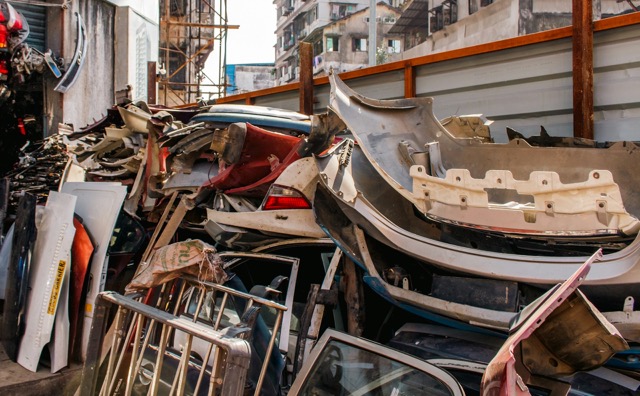
Construction projects can generate a large amount of waste. Concrete, wood, drywall, metal, roofing materials, packaging, and other debris can quickly build up on a job site.
Before loading mixed debris, review our construction bin allowed-materials guide for prohibited and restricted items. Proper waste disposal is important for keeping your site safe and organized. It can also help you follow local disposal requirements and reduce the amount of waste sent to landfills.
Before renting a construction bin, it is important to understand what materials are accepted and which items require special handling.
Disposal rules can vary based on your location, the type of waste, and the disposal facility. Always confirm the current requirements with your bin rental provider and the appropriate local authority before disposing of restricted materials.
Key Takeaways
- Construction waste disposal rules can vary by location and waste type.
- Common materials such as concrete, wood, drywall, metal, and bricks may be accepted in construction bins, depending on the bin and disposal facility.
- Hazardous materials such as asbestos, chemicals, and certain paints usually require special handling.
- Sorting waste before disposal can make the process easier and create more opportunities for recycling.
- Always confirm accepted and prohibited materials with your bin rental company before filling the bin.
- Following proper disposal procedures can help reduce environmental risks and avoid unexpected disposal problems.
Why Construction Waste Disposal Regulations Matter
Construction waste can affect the environment and public health if it is not handled properly. Disposal regulations help control how different types of waste are collected, transported, recycled, and disposed of.
These requirements may cover:
- Which materials can be placed in construction bins
- Which materials require separate disposal
- How hazardous waste must be handled
- Whether certain materials need special permits or approvals
- Where specific waste types can be taken
Understanding these requirements before starting a project can help prevent delays, additional disposal costs, and potential compliance issues.
What Can You Put in a Construction Bin?
The materials accepted in a construction bin depend on the bin type, rental company, and disposal facility. Always confirm the rules before placing waste in the bin.
Common construction materials that may be accepted include:
- Concrete
- Bricks
- Asphalt
- Wood
- Drywall
- Metal
- Roofing materials
- General renovation debris
For projects involving concrete, review the available concrete disposal options to understand the appropriate disposal process.
If your project involves drywall, you can also review Disposal King’s drywall disposal information before ordering a bin. Avoid rejected loads and contamination fees by checking the construction-bin disposal rules before work begins.
What Cannot Go in a Construction Bin?
Some materials cannot be placed in regular construction bins because they may require specialized handling or disposal.
Examples can include:
- Asbestos
- Certain chemicals and solvents
- Hazardous waste
- Some paints and coatings
- Lead-contaminated materials
- Batteries
- Tires
- Electronics
- Liquids
The exact restrictions depend on the rental company and disposal facility. Do not assume that a material is accepted simply because it comes from a construction or renovation project.
If you are unsure about a particular material, contact your bin rental provider before placing it in the bin.
How to Handle Hazardous Construction Waste
Hazardous materials require additional care. They should not be mixed with regular construction debris unless the disposal provider specifically confirms that they are accepted.
Materials such as asbestos, certain chemicals, and lead-based materials may require specialized disposal procedures.

Follow These Steps
- Identify the material. Determine what type of waste you are dealing with.
- Keep restricted materials separate. Do not mix potentially hazardous waste with general construction debris.
- Check local requirements. Confirm how the material must be handled and disposed of.
- Contact the appropriate disposal provider. Use a service that is equipped to handle the specific material.
- Follow all handling instructions. Do not attempt to dispose of hazardous materials through a regular construction bin unless you have confirmed that they are permitted.
For hazardous materials, professional guidance is especially important because improper handling can create health, safety, and environmental risks.
Why Waste Sorting Matters
Sorting construction waste before disposal can make waste management easier and may increase opportunities for recycling.
Instead of placing everything into one pile, separate materials when practical and when your disposal provider allows it.
Common Waste Categories
- Concrete and masonry: Concrete, bricks, and similar materials may be suitable for recycling or recovery.
- Wood: Clean wood may have recycling or reuse options.
- Metal: Scrap metal can often be recovered and recycled.
- Drywall: Drywall may have separate disposal or recycling requirements.
- General debris: Other construction materials may be placed in a general construction bin if accepted by the provider.
Proper sorting can help reduce contamination and make it easier to send suitable materials to the right processing facility.
How to Stay Compliant When Renting a Construction Bin
Renting a construction bin does not remove your responsibility to follow local disposal requirements.
Before your bin arrives, take a few minutes to confirm the rules.
1. Ask What Materials Are Accepted
Contact the rental company and ask for a current list of accepted and prohibited materials.
2. Estimate Your Waste
Consider the type and amount of waste your project will produce. This can help you choose an appropriate bin size.
Review bin sizes and rates before making your selection.
3. Separate Restricted Materials
Keep materials that require special handling separate from regular construction debris.
4. Follow Local Requirements
Disposal requirements can differ between municipalities and waste facilities. Check the current rules that apply to your project.
5. Communicate With Your Rental Provider
If you are unsure about a particular material, ask before placing it in the bin. A quick conversation can help prevent disposal problems later.
You may also like to read this article –
How Construction Bin Rentals Can Save You Time
Construction Waste and Recycling
Recycling and reuse can reduce the amount of construction waste sent to landfills.
Some materials may have useful applications after they are removed from a construction site. Concrete and asphalt, for example, may be processed for use in future construction projects. Metal can also be recovered and recycled.
Where suitable, separating recyclable materials from general waste can support more responsible waste management.
You can also learn more about eco-friendly waste disposal and ways to reduce the environmental impact of waste management.
What to Consider Before Renting a Construction Bin
Choosing the right bin involves more than selecting a size. Consider the following factors before your rental begins:
- Waste type: Know what materials you will be disposing of.
- Waste volume: Estimate how much debris your project will produce.
- Bin size: Choose a container that can handle the expected volume.
- Rental period: Consider how long the project will take.
- Accepted materials: Confirm which materials are permitted.
- Restricted materials: Identify anything that requires special disposal.
- Disposal costs: Understand what is included in the rental price and whether additional fees may apply.
How Construction Bin Rental Works
Once you understand the disposal requirements, renting a construction bin is straightforward.
- Estimate your waste. Identify the materials and approximate volume.
- Choose the right bin. Select a size that fits your project.
- Confirm accepted materials. Ask the rental provider about restrictions.
- Schedule delivery. Arrange for the bin to be delivered to your project site.
- Sort your waste. Keep restricted and recyclable materials separate when required.
- Fill the bin correctly. Only place accepted materials inside.
- Schedule pickup. Arrange pickup when the project is complete or the bin is full.
Final Thoughts
Understanding construction waste disposal regulations is an important part of responsible project planning.
Before renting a construction bin, identify the types of waste your project will produce and confirm which materials are accepted. Keep restricted materials separate and follow the disposal requirements that apply to your location.
Proper sorting can also make recycling and waste recovery easier. Most importantly, do not place hazardous or restricted materials into a construction bin without first confirming that they are permitted.
By planning ahead and working with a reliable waste-disposal provider, you can keep your project organized while supporting safer and more responsible waste management.
FAQs About Construction Waste Disposal Regulations
What are construction waste disposal regulations?
Construction waste disposal regulations are rules that determine how different types of construction waste should be collected, transported, recycled, and disposed of. Requirements can vary depending on the location and type of waste.
What can usually go in a construction bin?
Common materials may include concrete, wood, drywall, bricks, metal, asphalt, and general construction debris. Accepted materials vary by bin type and disposal provider, so always confirm before filling the bin.
What cannot go in a construction bin?
Items such as hazardous waste, asbestos, certain chemicals, liquids, batteries, tires, and electronics may be prohibited from regular construction bins. These materials may require specialized disposal.
Why should construction waste be sorted?
Sorting waste can help separate recyclable materials from general debris and reduce contamination. It can also make it easier to send suitable materials to the appropriate recycling or disposal facility.
How can I make sure my construction waste disposal is compliant?
Check the current local requirements, confirm accepted materials with your bin rental provider, separate restricted waste, and use appropriate disposal services for hazardous materials.
How do I choose the right construction bin?
Consider the type and amount of waste your project will generate, the project duration, and the materials that are allowed in the bin. If you are unsure, ask the rental company to recommend a suitable size.
Do construction waste regulations vary by location?
Yes. Waste disposal requirements can vary by municipality, waste type, and disposal facility. Always check the current requirements that apply to your project.